Basketball Club Teams San Diego and the Road to Tournament Success
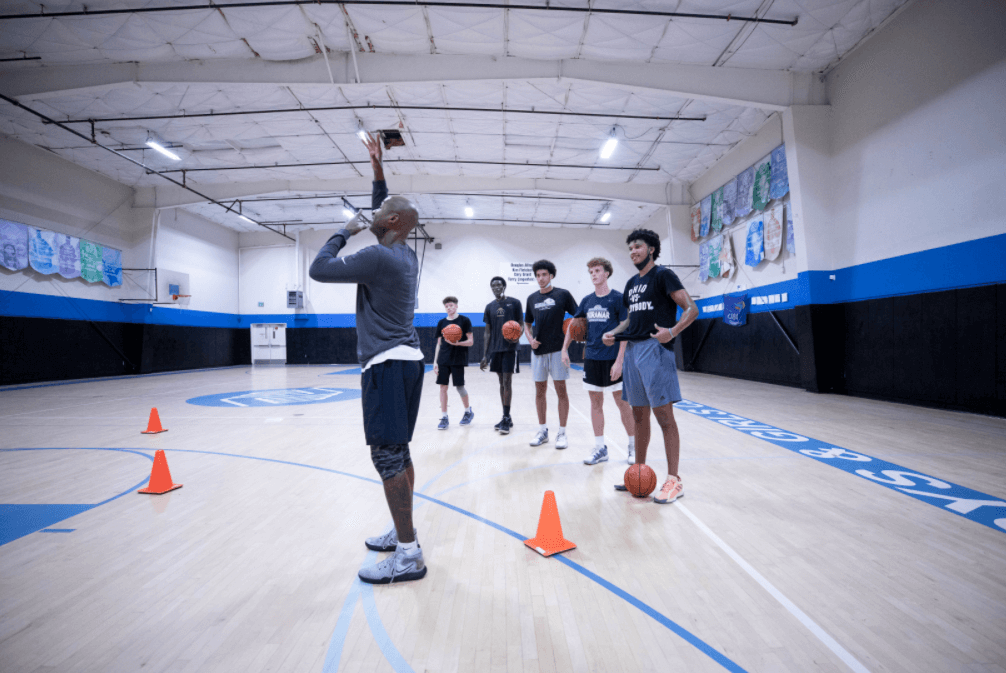
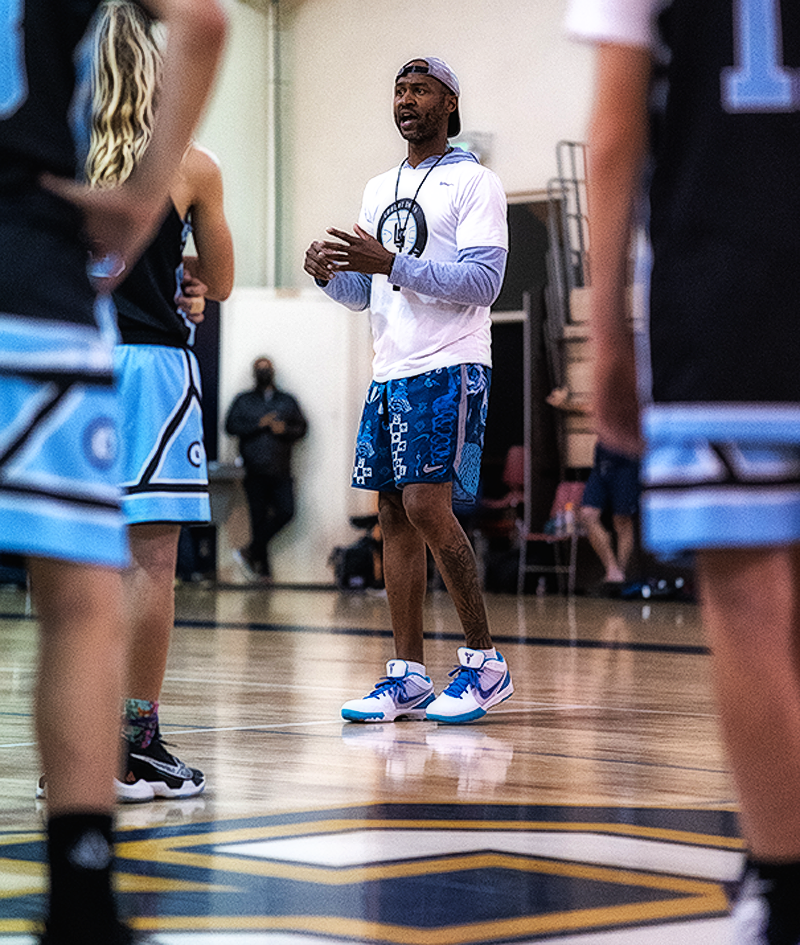
San Diego has always had the ingredients for strong youth basketball: year-round weather, packed gyms, committed families, and a deep pool of athletes who often play more than one sport. That combination creates opportunity, but it also creates noise. Not every talented player develops into a reliable tournament performer, and not every club program is built to prepare athletes for the level of competition they say they want.
The phrase Basketball Club Teams San Diego brings to mind weekend tournaments, matching backpacks, travel schedules, and packed bleachers. Behind that surface, though, there is a more demanding reality. Winning in tournament settings requires much more than collecting skilled players. It takes structure, role clarity, disciplined habits, and a coaching staff that understands how to prepare a group over months, not just hype them up before tip-off.
Having spent time around youth and club basketball environments, one lesson stands out. The teams that consistently make deep runs are rarely the most dramatic. They are usually the most organized. Their warmups are sharp. Their transition defense is automatic. Their bench knows what matters. Their parents understand the rhythm of a long weekend. By the time the fourth quarter tightens, those details show up on the scoreboard.
San Diego’s basketball landscape rewards preparation
San Diego club basketball sits in an interesting space. Local teams are strong enough to produce serious competition, but the region also pushes clubs into larger Southern California circuits where the standard rises quickly. A team might dominate one weekend close to home, then get exposed the next weekend by a group from Orange County, Los Angeles, or the Inland Empire that plays with better pace, spacing, and physical discipline.
That gap can be frustrating, but it is useful. It shows players and families what tournament success actually looks like. At the club level, success is not just a trophy photo. It is the ability to handle multiple game styles across two or three days, recover mentally after a poor half, and execute late possessions under pressure. Good Basketball Club Teams San Diego programs know that local wins mean very little if the habits do not transfer against higher-level competition.
San Diego athletes often bring speed and versatility. Many grow up surfing, playing football, soccer, baseball, or running track. That broad athletic base helps. You see guards with quick feet, wings who can cover ground, and posts who move better than their size suggests. The challenge is that club basketball demands refinement. Raw athletic ability wins stretches. Skill, spacing, and decision-making win tournaments.
The teams that travel well have a real identity
A common mistake in youth basketball is trying to become a different team every month. One tournament the emphasis is pressure defense. The next, it is five-out offense. Then a coach wants to post up every trip because an opponent looks smaller. Flexibility matters, but identity matters more.
The strongest club teams usually know who they are by the middle of the season. Maybe they are a relentless defensive group that wants to speed the game up and create extra possessions. Maybe they are a disciplined half-court team built around shooting and low-turnover play. Maybe they rebound at an elite level and wear teams down physically. Whatever the identity, it has to be clear enough that players can lean on it when games get messy.
Tournament basketball gets messy often. Whistles vary. Rims feel tight early in the morning. Legs go dead in the second half of game three. A roster can look brilliant at 9 a.m. And disjointed by 4 p.m. Identity becomes the stabilizer. If a team knows, with no debate, that it defends the paint first, talks on every switch, and values the ball, it can survive cold shooting and bad runs.
I have seen club teams with less visible talent beat more decorated rosters simply because every player understood the pecking order of decisions. They knew when to push, when to reverse the ball, when to stop gambling, and who should touch the ball late. That is not accidental. It comes from coaching repetition and from athletes accepting that winning roles are sometimes less glamorous than highlight roles.
Skill development still decides most games
There is no scheme that can permanently hide weak fundamentals. In club settings, this truth gets ignored because tournaments create urgency. Families want results now. Coaches want statement weekends. Players want to start. But over time, the teams that hold up are the ones built on real skill.
A guard who cannot change pace under pressure becomes turnover-prone in bracket play. A wing who cannot make a simple weak-side read clogs possessions late in games. A big who cannot rebound outside of his area disappears against stronger opponents. The details are not flashy, but they decide outcomes.
For serious Basketball Club Teams San Diego programs, player development should show up in visible ways over a season. Ballhandlers should get cleaner against pressure. Shooters should become more consistent off the catch. Help-side defenders should rotate earlier. Bigs should improve their hands, footwork, and rim protection timing. If a team plays forty games and looks tactically busier but fundamentally similar, that is usually a warning sign.
There is also a difference between workout skill and game skill. Plenty of players can make shots in an empty gym or dribble through cone sequences with style. Tournament basketball asks harder questions. Can you attack a closeout after sitting for six minutes? Can you make a skip pass with a trap coming? Can you finish through chest contact after two games in one day? Can you box out a stronger player on a possession that decides whether you advance?
Those moments expose what training has actually prepared athletes to do.
Coaching matters most when energy drops
Anyone can coach when the team is up fifteen and making shots. Club coaches earn their value when the game turns tense, the officiating feels uneven, and the group begins to unravel emotionally. Tournament success often depends on whether a coach can settle a team without dulling its competitiveness.
The best coaches I have watched in this environment do several things well. First, they communicate simply under stress. Long speeches rarely land in a timeout with ninety seconds to reset. Second, they coach the game in front of them instead of forcing a preplanned script. Third, they manage lineups with purpose. That does not always mean playing the top five the most minutes. It means recognizing combinations that defend together, rebound together, or create enough spacing to survive a dry stretch.
One underappreciated part of club coaching is emotional temperature. Some teams come out flat and need ignition. Others get too sped up and need calming. Good coaches read that difference early. They know which player needs a direct challenge and which one needs a quiet reminder. They know when to let athletes play through mistakes and when a substitution will reset effort and focus.
San Diego’s stronger programs often distinguish themselves here. When tournament schedules stack up and everyone is tired, strategy and motivation blend together. A coach who can preserve energy, maintain standards, and keep players connected through a whole weekend gives the team a real edge.
Parents shape the tournament environment more than they realize
No club team succeeds in a vacuum. Parents manage logistics, finances, meals, sleep schedules, and emotional spillover. They can create stability around a team or tension around it. In youth basketball, both happen every weekend.
The healthiest team environments usually come from families who understand what tournament weekends demand. Athletes need rest, hydration, and predictable routines. They do not need postgame breakdowns in the parking lot after every missed box out. They do not need social media pressure after each game. They do not need adults turning normal rotation decisions into politics.
That does not mean parents should be passive. Good programs benefit from engaged families who communicate respectfully, support the team structure, and help players recover between games. But tournament success is easier when adults know the line between support and interference.
A practical example makes the point. A player goes 1-for-8 in the first game on Saturday and gets visibly frustrated. If the immediate response from home is technical advice, criticism, or panic about playing time, the player carries that weight into the next game. If the response is simple, calm, and centered on effort, defense, and next-play mentality, there is a far better chance that athlete rebounds by the afternoon session.
Travel ball exposes depth, not just stars
A lot of club teams rely too heavily on one or two headline players. That can work in isolated moments, especially against weaker opposition. It rarely holds through a full tournament. Opponents adjust. Legs tire. Foul trouble hits. Defenses load up. The teams still standing late on Sunday almost always have usable depth.
Depth does not mean every player is equal. It means the eighth or ninth player can enter the game and preserve the team’s standard. Maybe that player is not scoring much, but he can defend the ball, rebound his position, sprint in transition, and avoid careless turnovers. Those minutes are gold.
In San Diego, where talented athletes sometimes divide among many clubs, building depth can be harder than stacking top-end skill. Smart programs address that by recruiting for fit, not just reputation. They want role players who embrace role-player work. That sounds obvious, but it is where many teams fail. Everyone wants scorers. Few people prioritize screeners, rebounders, communicators, and secondary ballhandlers until a tournament game gets tight and those traits become essential.
A bench also changes practice quality. When the second unit can challenge the first, habits sharpen. Stars are forced to make cleaner reads. Coaches can simulate pressure. Competitive depth in practice often becomes tournament resilience later.
What serious preparation actually looks like
Teams often say they are preparing for tournaments, but preparation means more than adding extra practices the week before a big event. It means building repeatable habits over time.
Here are the markers I look for in a team that is truly preparing to win:
- They start defensive possessions with urgency, not after the first pass.
- Their transition floor balance is intentional, especially after missed shots.
- They know their late-game actions and have repped them enough to run them under stress.
- Their players communicate on the bench in ways that reinforce the game plan.
- Their body language stays relatively stable after mistakes or bad calls.
None of these points are glamorous, and that is exactly why they matter. Tournament basketball tends to reward teams that can perform ordinary tasks at a high level over and over again. Screening angles, closeouts, outlet decisions, tagging rollers, securing rebounds with two hands, these are the possessions that decide whether a team survives a quarterfinal.
One of the clearest signs of a mature club team is how little it wastes. Wasted dribbles. Wasted cuts. Wasted fouls. Wasted emotional energy. The better the team, the less waste you see.
The road to tournament success is built between tournaments
A common misconception is that improvement happens during the big weekend itself. In reality, tournaments reveal more than they build. They show whether practice habits, communication standards, and conditioning have been strong enough to travel.
That is why the best stretches of growth usually happen in the unglamorous middle weeks. Tuesday and Thursday gym sessions. Film review after a frustrating loss. Shooting work when attendance is imperfect. Defensive shell drill when nobody feels like guarding. Those are the days that create Sunday results.
For Basketball Club Teams San Diego, this matters even more because competition across the region is so layered. One age group can have a dramatic spread between local events and elite-level circuits. Programs that chase easy wins can look successful for a while without actually developing tournament-ready habits. Eventually they run into disciplined, physical, well-coached teams and the gap becomes visible.
The corrective is honest evaluation. Did the team lose because shots did not fall, or because it could not generate good shots late? Did the press cause real problems, or just a few loud possessions? Did the defense break down because of effort, communication, or poor personnel matchups? Coaches and players who answer those questions accurately improve faster than teams that either overreact or make excuses.
Recruitment, exposure, and winning do not always move together
Club basketball conversations often drift toward exposure. Families want to know whether a program can help with high school placement, varsity roles, college visibility, and long-term opportunity. Those goals matter. But they can distort team priorities if handled poorly.
Winning tournaments does not automatically produce exposure, and exposure-driven basketball does not always produce winning. Sometimes a player needs the ball in his hands to show his strengths. Sometimes the team’s best chance to win requires a more balanced approach. Navigating that tension is one of the hardest jobs in club basketball.
The strongest programs are honest about it. They communicate roles clearly and evolve them when players earn more responsibility. They also help athletes understand that college coaches and high-level evaluators notice more than points per game. They watch defensive engagement, poise, shot selection, voice, effort after mistakes, and whether a player helps a team function.
This is where mature club coaching stands out again. A well-run program can pursue development, exposure, and tournament competitiveness at the same time, but only if there is trust. Without trust, every rotation becomes suspicious and every offensive possession becomes personal.
The practical side of surviving a tournament weekend
Tournament performance is affected by more than basketball. Sleep, food timing, recovery, and scheduling mistakes swing games, especially in youth events where players and families are still learning how to manage long days.
A few habits make a real difference:
- Eat simple, familiar meals that digest well between games.
- Bring more water and electrolyte options than you think you need.
- Plan for downtime without letting players mentally drift for hours.
- Pack extra socks, tape, and basic recovery tools before leaving home.
- Treat the first game of the day like it matters, because it usually sets the emotional tone.
What sounds small on Friday night can feel huge by Sunday afternoon. I have watched teams arrive late, skip proper meals, or wander around tournament venues for hours between games, then wonder why their legs are gone in bracket play. Good clubs build routines around this. Great ones make those routines feel normal.
The same applies to warmups. Players who understand how their body responds, how much shooting they need, how to activate their hips and ankles, how to raise intensity without burning energy, tend to settle into games faster. Across a season, that consistency can steal a quarter here, a half there, and eventually a title game.
Why defense travels best
Shooting can disappear for stretches. Officiating can change how aggressive a team can be on drives. Matchups can complicate a favorite action. Defense, if it is built on commitment and technique, usually gives a team a floor.
That does not mean every successful team plays slow or conservatively. Some excellent defensive teams pressure full court and trap aggressively. Others stay compact and force low-value shots. The common factor is cohesion. Players know where help is coming from, who protects the rim, and what the team is willing to concede.
For San Diego club teams trying to compete outside their immediate circles, this is especially important. When you do not know opponents well, defense becomes your language. It keeps you in games while the offense reads pace and personnel. It also stabilizes younger teams whose shot selection and spacing may not be reliable every possession.
A team that can guard through mistakes is dangerous. A team that collapses defensively when shots are not falling rarely lasts.
What players should look for in a club program
Choosing a club team is not just about logo, uniforms, or social media presence. Players need to ask harder questions. How does the team practice? Are fundamentals coached or assumed? Is there a plan for development across the season? Do players understand their roles? Does the staff communicate with respect when the team loses? Are tournaments chosen to challenge the roster appropriately?
These questions matter because the wrong fit can stall development even if the talent level looks attractive from the outside. Some players need a bigger role to grow. Others need a more structured environment. Some need patient skill work. Others need tougher competition and accountability. Good program decisions reflect honest self-assessment, not just ambition.
That is part of the real story behind Basketball Club Teams San Diego. The city has enough options that https://jaidenehpi532.almoheet-travel.com/why-basketball-club-teams-in-san-diego-matter-for-young-athletes families can be selective, but selection works best when it is guided by substance instead of branding.
Tournament success is earned in layers
There is no single formula for winning in club basketball. Talent matters. Coaching matters. Family support matters. Health, matchup luck, and confidence matter too. But over time, the teams that rise tend to share the same layered strengths. They have players whose fundamentals hold up under pressure. They have coaches who teach clearly and adapt honestly. They have families who support without destabilizing. They have routines that protect energy and focus. Most of all, they have an identity strong enough to survive a difficult weekend.
That is the road, and it is rarely smooth. A team may need a few hard losses before it learns how to close. A promising player may need to accept defense and rebounding before he grows into a scoring role. A coach may need to shorten instructions and trust the group more. Progress often looks uneven until, suddenly, the team handles a tight semifinal better than it would have handled it two months earlier.
That is when you know a program is becoming real. Not because it says the right things, but because its habits travel. In the crowded, competitive world of Basketball Club Teams San Diego, that is what separates a team that attends tournaments from a team built to win them.
Lamont Smith Basketball Academy
888 Clairemont Mesa Blvd Suite T-2, San Diego, CA 92123
(619) 639-8778
FAQ About Basketball Club Teams San Diego
How can a player join an LSBA club team?
Players are evaluated during practices so the coaching staff can recommend an appropriate team and development level. Families should contact the academy to confirm current openings and evaluation details.
Are club teams available for newer basketball players?
Yes. LSBA describes multiple levels, including a developmental option for newer players as well as more competitive teams for athletes with prior club experience.
What do LSBA club team practices emphasize?
Practices emphasize basketball fundamentals, team defense, structure, communication, and player development. The specific focus may vary according to the team and experience level.
Do all LSBA teams travel?
Travel expectations vary by level. Some teams focus on local competition, while advanced teams may participate in tournaments elsewhere in Southern California or beyond. Families should confirm the current schedule before enrolling.